O|Zone™ Initiatives foster collaborative Private | Public | Partnership frameworks designed to expand and improve local infrastructure, economic opportunity, and quality of life.
In recent years, federal, state, and local governments have significantly expanded their focus on public and private infrastructure, advanced manufacturing, healthcare, communications, artificial intelligence, energy generation and storage, research facilities, and other initiatives considered important to long-term economic growth, community development, and national competitiveness.
Governments recognize that many of the best ideas, technologies, facilities, and solutions originate from private individuals, businesses, researchers, entrepreneurs, and communities.
Rather than attempting to identify every opportunity themselves, governments increasingly establish broad priorities while encouraging private-sector participation, innovation, investment, and discernment within those priorities.
At the same time, emerging technologies and industries are becoming increasingly interconnected.
A single facility may incorporate power generation, energy storage, advanced computing, artificial intelligence, manufacturing, communications, healthcare, research, or other complementary activities.
As these technologies converge, opportunities increasingly emerge for private participants to identify, evaluate, support and participate in projects that may advance multiple public priorities simultaneously, often addressing federal, state and local objectives.
The following illustration assumes a $1,000,000 equipment acquisition and compares the potential impact of Federal Incentives with an illustrative combination of Federal, State, and Local Incentives.
For purposes of illustration, the funding example includes a 7.5-year Discount Note bearing interest at 7.5% annually. Participants may elect to contribute additional capital or utilize alternative funding structures depending upon their individual circumstances and objectives.
The comparison column is intended to demonstrate how additional State and Local Incentives may further enhance Government Incentives available to qualifying participants. Actual Incentives will vary based upon applicable laws, jurisdictions, ownership structures, tax positions, and other factors.
This illustration assumes Purchaser Capital of $100,000, with any remaining acquisition cost funded through a Discount Note. The Discount Note is assumed to mature in approximately 7.5 years and, for purposes of illustration, does not require periodic interest payments prior to maturity. Instead, the discount, or accrued interest, is assumed to accrete at an annual rate of 7.5% and be paid at maturity.
The purpose of this illustration is to demonstrate how Purchaser Capital, Government Incentives, and optional funding structures may interact within acquisition of qualifying equipment. It is intended solely for educational purposes and should not be interpreted as tax, legal, accounting, or investment advice.
The following illustration assumes that the Purchaser has completed the Initial Ownership Cycle associated with the equipment. Because many forms of advanced equipment require periodic refurbishment, upgrades, recertification, or technology refreshment, the Initial Ownership Cycle generally contemplates disposition of the equipment after applicable Government Incentive holding periods have been satisfied.
At the conclusion of the Initial Ownership Cycle, a Purchaser may elect to sell the equipment to a qualified purchaser or contribute the equipment to a qualifying nonprofit organization approved to accept ownership of the equipment.
This illustration assumes the equipment is contributed to a qualifying nonprofit organization. It demonstrates the potential Government Incentives associated with disposition by gift, the repayment of the illustrative Discount Note used in the acquisition example, and the resulting estimated cashflow remaining after disposition.
In the illustration above, the qualifying nonprofit organization receives ownership of the equipment at the conclusion of the Initial Ownership Cycle. Rather than immediately disposing of the equipment, the nonprofit may elect to participate in applicable refurbishment, restoration, recertification, reconstruction, technology upgrade, or similar programs designed to prepare the equipment for future use.
These activities may qualify for various Government Incentives intended to encourage modernization, reconstruction, energy efficiency, technology improvements, manufacturing, healthcare, infrastructure, research, and other public priorities. As a result, the nonprofit may be able to participate in programs that enhance the utility and marketability of the equipment prior to a future transfer or sale.
Once the applicable work has been completed, the equipment may be transferred or sold to a subsequent qualified purchaser. The proceeds received by the nonprofit may then be used to support its charitable mission, including healthcare initiatives, education programs, research activities, community services, infrastructure projects, and other mission-related purposes.
In this way, a contributed asset may become a source of long-term funding for a nonprofit organization while simultaneously supporting the continued deployment of advanced equipment into future projects and facilities.
From Incentives to Capacity
Government Incentives are generally established by law and are intended to encourage participation in activities considered beneficial to economic growth, infrastructure development, healthcare, manufacturing, research, energy systems, communications, and other public priorities.
While governments establish the Incentives, they rely upon Participants to provide something equally important: judgment, innovation, local knowledge, stewardship, capital allocation, and long-term commitment. Governments may establish priorities, but Participants ultimately determine which projects, technologies, facilities, and Initiatives deserve support.
As a result, the same Incentive may create very different opportunities for different Participants.
This relationship between Government Incentives and Participant Capacity is the foundation of Self-Directed Incentive Capacity (SDIC). Government creates the Incentives. Participants create the Capacity. Participants then decide how that Capacity will be directed toward qualifying assets, facilities, infrastructure, charitable activities, and other long-term objectives.
The examples that follow illustrate several categories of qualifying equipment and infrastructure that have been designed to support effective utilization of Self-Directed Incentive Capacity while simultaneously advancing public priorities and community development objectives.
In its simplest form, Self-Directed Incentive Capacity is the result of converting available government incentive capacity into your capital assets.
Recent Evolution in Incentive Capacity
For many years, Participants have utilized Government Incentives primarily through expensing provisions, depreciation schedules, charitable activities, and other tax-related incentives.
More recently, Congress has expanded the range of Incentives available for qualifying facilities, equipment, and infrastructure intended to support energy generation from new sources, energy storage, and other public priorities.
Section §48E represents an important evolution in this framework. Rather than focusing upon specific technologies, Section 48E generally focuses upon qualifying facilities and equipment that generate, capture, store, manage, or support electricity and related energy functions.
When combined with existing expensing provisions, charitable incentives, and other Government Incentives, Section §48E substantially expands the opportunities available through Self-Directed Incentive Capacity.
Of particular significance is the Federal Government’s willingness to provide investment credits that may be utilized to offset a Participant’s tax obligations and, in certain circumstances, may be transferred or sold to third parties.
This combination of expensing, credits, charitable incentives, and other available programs create a powerful framework through which Participants may direct available Incentive Capacity toward ownership of qualifying physical assets and infrastructure.
O|Zone™ Section §48E equipment introduces a new asset class designed to align private asset ownership with U.S. federal clean-energy priorities.
These specialized equipment assets are engineered to support electricity generation, energy capture and storage, communications, research, healthcare, transportation, and other community-supporting activities.
Because these activities align with current federal objectives, qualifying equipment may benefit from substantial federal Incentives once placed in service.
For many Purchasers, the result is a unique opportunity to acquire these assets with a significant portion of the purchase price paid through federal Incentives.
The O|Zone™ framework has been designed to integrate these Incentives into a new category of qualifying physical assets utilizing advanced equipment systems, including ISO intermodal container-based infrastructure. These assets may support healthcare, communications, research, manufacturing, emergency services, transportation, energy systems, and other community-supporting activities.
The examples that follow illustrate how Self-Directed Incentive Capacity may be applied through ownership of these assets, illustrated by ScanPods, a healthcare-focused infrastructure platform.
For decades, high-income individuals have accumulated wealth through businesses, real estate, energy assets, farms, ranches, equipment, and investment portfolios.
Direct Equipment Ownership
Unlike many alternative investments, O|Zone™ Section §48E equipment is based upon direct ownership of qualifying equipment assets. The Purchaser acquires and owns the equipment itself, rather than a fractional interest in a fund, partnership, pooled investment vehicle, or other security.
The focus is simple: ownership of qualifying equipment assets that support U.S. clean-energy objectives may benefit from available federal Incentive programs. Through time, a Purchaser may build portfolios of qualifying equipment assets through direct ownership rather than through indirect investment structures, such as funds, partnerships, etc.
What Makes This Asset Class Different?
The U.S. federal government has identified clean-energy infrastructure as a national priority and has created substantial incentives designed to accelerate private acquisition and ownership of qualifying Section §48E equipment.
As a result, this asset class benefits from incentive levels that are significantly greater than those available for many conventional equipment purchases.
Depending upon individual circumstances, available federal, state, and local incentives may offset approximately 70% to 80% of the equipment purchase price once the equipment is placed in service. These Incentives substantially reduce a Purchaser's net capital required to purchase qualifying equipment.
In addition, unlike conventional equipment that often declines in value and may trigger depreciation recapture or other tax consequences upon disposition, qualifying O|Zone™ Section §48E equipment is designed around a specialized ownership lifecycle. As a result, a Purchaser may realize substantial additional federal, state and local Incentives upon a qualifying disposition, after an initial ownership period. Although no assurance can be given, these exit-related benefits may significantly exceed the Purchaser's original net out-of-pocket acquisition cost.
Building an Equipment Portfolio at Your Own Pace
Acquiring O|Zone™ Section §48E equipment does not require acquisition of a large portfolio or a long-term commitment to multiple equipment items. A Purchaser may begin with a single piece of qualifying equipment to better understand this unique asset class and its ownership lifecycle.
Alternatively, if a Purchaser's tax circumstances support additional Incentive Capacity, such Purchaser may elect to acquire additional qualifying equipment, including a diversified portfolio of equipment types. The decision remains entirely with the Purchaser.
For some Purchasers, the opportunity extends beyond a single acquisition. By participating periodically through time and utilizing available federal, state, and local Incentives, a Purchaser may gradually build a portfolio of qualifying Section §48E equipment assets.
In this way, annual mandatory federal, state and local payments that would otherwise be expended may be redirected into ownership of tangible qualifying assets.
Through time, this approach may enable a Purchaser to build a growing portfolio of equipment supporting energy, communications, healthcare, transportation, research, and other qualifying infrastructure activities, while substantially reducing and, potentially eliminating net acquisition cost of these portfolio assets.
By periodically utilizing available federal, state, and local Incentive Capacity to acquire qualifying Section §48E equipment, a Purchaser may gradually transform annual expenditures into ownership of tangible assets. What begins with a single equipment acquisition may, through time, become a growing portfolio of assets capable of benefiting future generations.
O|Zone™ Projects such as ScanPort are designed to use IIS ISO Intermodal Containers, which are designed as Section §48E equipment assets to create core facility infrastructure. This infrastructure is designed to capture thermal energy and convert it to electricity. These micro power facilities support advanced digital scanning equipment, AI Digital Intelligence and DigitalTwins™ as core technologies for addressing Pediatric Diseases, Long Covid, and other healthcare challenges.
ScanKids™, a nonprofit organization, is designed to benefit from the unique characteristics of this New Equipment Asset Class. While the primary mission of projects such as ScanPort™ is to advance pediatric diagnostics, healthcare access, AI-assisted analysis, research, education, and community health initiatives, the supporting infrastructure has also been designed to participate in broader public-priority objectives.
The recovery and utilization of thermal energy, on-site electricity generation and storage, support of advanced digital scanning systems, AI Digital Intelligence, DigitalTwins™, communications systems, and related technologies create an integrated infrastructure platform that combines healthcare, energy, research, and digital technologies within a single facility framework.
In addition to supporting the healthcare mission, participating nonprofit organizations may also play an important role within the equipment ownership lifecycle. At the conclusion of the Initial Ownership Cycle, qualifying equipment may be contributed to an approved nonprofit organization. The nonprofit may then facilitate restoration, modernization, recertification, reconstruction, technology refresh activities, and subsequent redeployment of the equipment through future ownership cycles.
As a result, the nonprofit may benefit not only from the mission of the project itself, but also from the long-term funding opportunities created through the stewardship and disposition of contributed equipment assets. This approach has the potential to transform qualifying equipment from a single-use acquisition into a continuing source of support for pediatric healthcare programs, research initiatives, community outreach activities, educational programs, and other charitable objectives.
Facility Integration
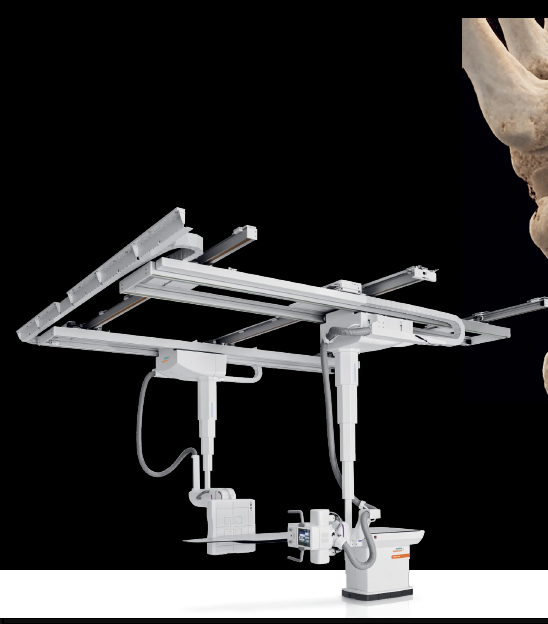
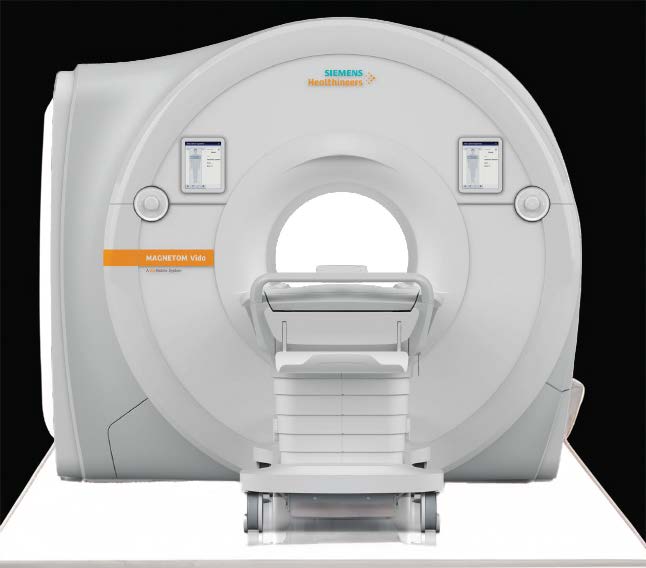
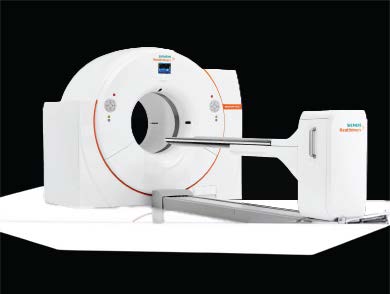
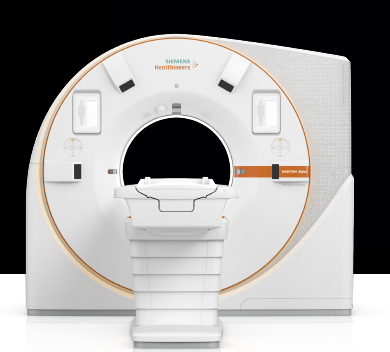
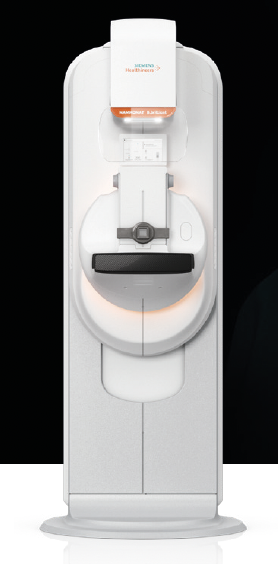
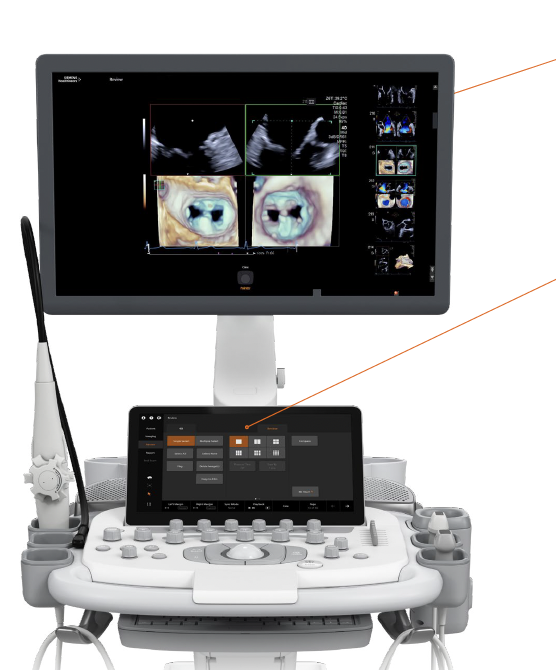
Properly integrated into the IIS ISO facility framework, specialty equipment as illustrated above may qualify as Section §48E equipment, within the facility structure.
A Collection of IIS ISO Intermodal Containers may be referred to as a "Pod".
O|Zone™ Projects Are Comprised of Modular Section §48E Equipment
As illlustrated above, IIS ISO Intermodal Containers and advanced digital scanning equipment are being introduced as a part of an advanced digital scanning facility prototype to be replicated across the United States.
Each unit of equipment is individually owned. O|Zone™ Project Stewards and Technical Stewards are two types of qualified firms facilitating local projects and integration of modular Section §48E equipment into qualifying facilities.
The video below illustrates the component architecture of a ScanPod.
Each GreenPad™ as illustrated is designed as an IIS ISO Intermodal container enabling large equipment transport for cargo which exceeds standard ISO intermodal container interior dimensions. In addition, its interior is designed to incorporate phase change, small modular reactors ("SMR") for capturing thermal BTUs in transit and when stationary. Its interior is designed for a broad range of wire, piping, sensors, AI equipment and specialty communications equipment.
In addition, it has been designed to act as an exoskeleton connecting ISO containers whether in transit or stationary, for the purpose of enhancing onboard stability, creating a container mesh infrastructure.
This configuration gives every Pod — and every future pod-based facility in a campus — a consistent, repeatable foundation with long-term clean-energy support, temperature stabilization, and operational reliability.
A GreenPad is designed for quick connect and disconnect using standard international ISO intermodal container castings methodologies common within ports and on intermodal transport conveyance modalities. As such, a GreenPad unit and other IIS ISO intermodal containers remain mobile, even when stationary, designed to preserve their admiralty status.
Core Module -
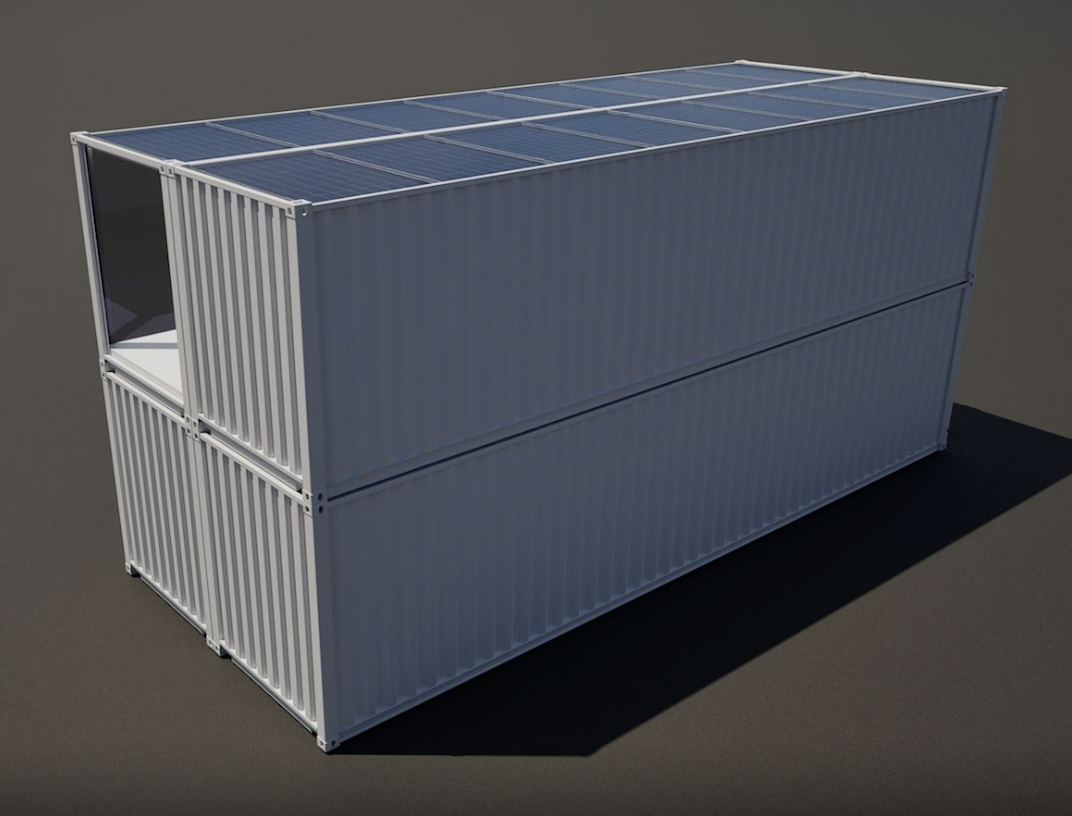
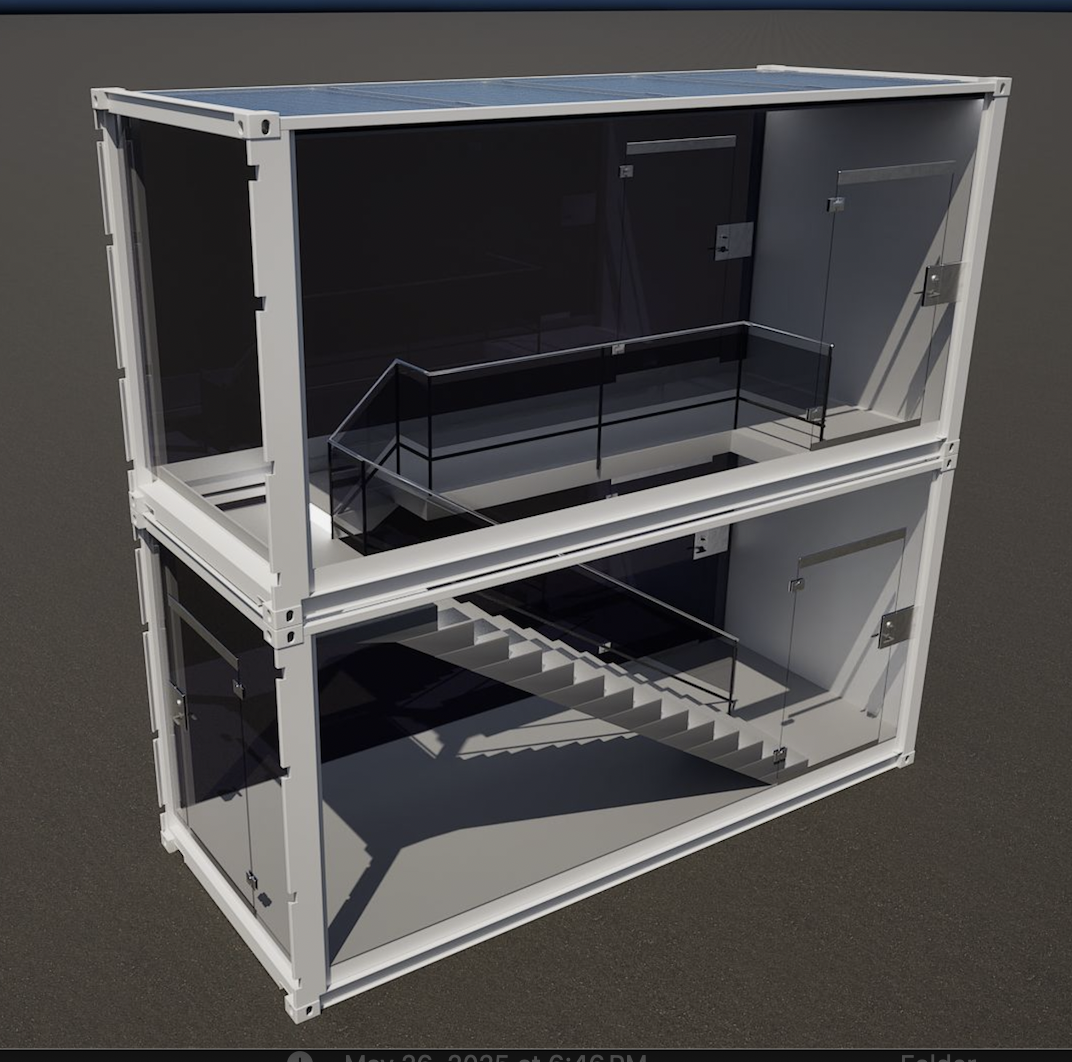
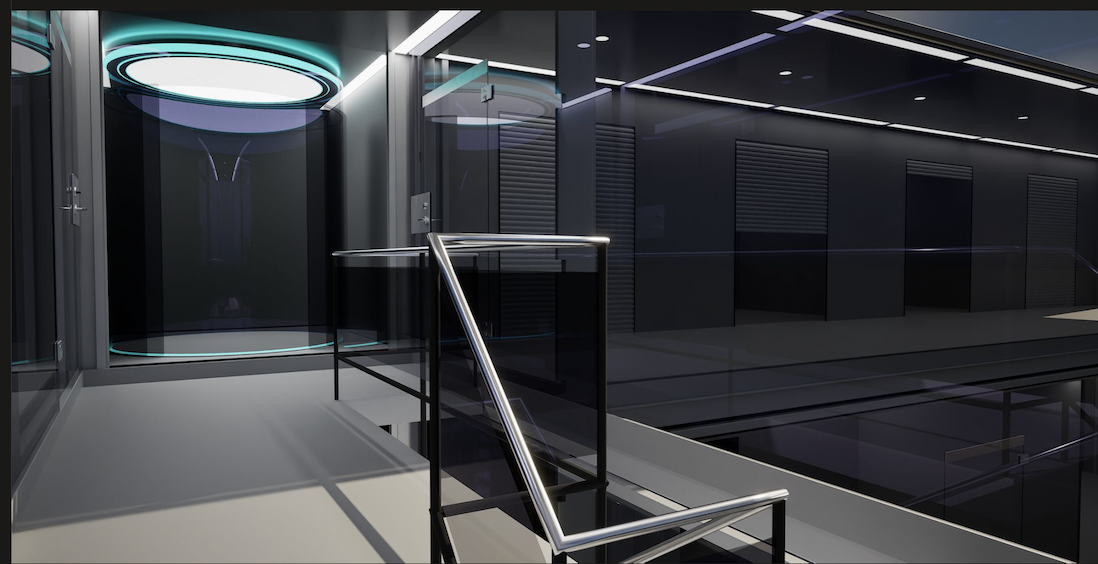
From these core "Pod" modules come larger, multi-use structures. Illustrated is a four-unit (2×2) configuration with integrated stairwell and elevator—built to ADA standards, which may include bullet- and blast-resistant exteriors.
These same cores can facilitate clinics, shops, offices, restaurants, or living suites, depending on finish and fit-out.
Every unit is designed to connect laterally and vertically, giving developers near-limitless flexibility to create safe, energy-efficient environments that evolve with community needs.
Adding a GreenPad under each ISO Intermodal Container enables a Pod to be connected into a campus-setting.
A mix of GreenBox™ and JouleBox™ core modules can enhance electrical generation across a Pod, and assure electricity capacity limitations are achieved for §48E Qualified Facility tax incentives.
A key objective of Pod configuration is to generate more electricity than such Pod consumes, although no assurance can be given.
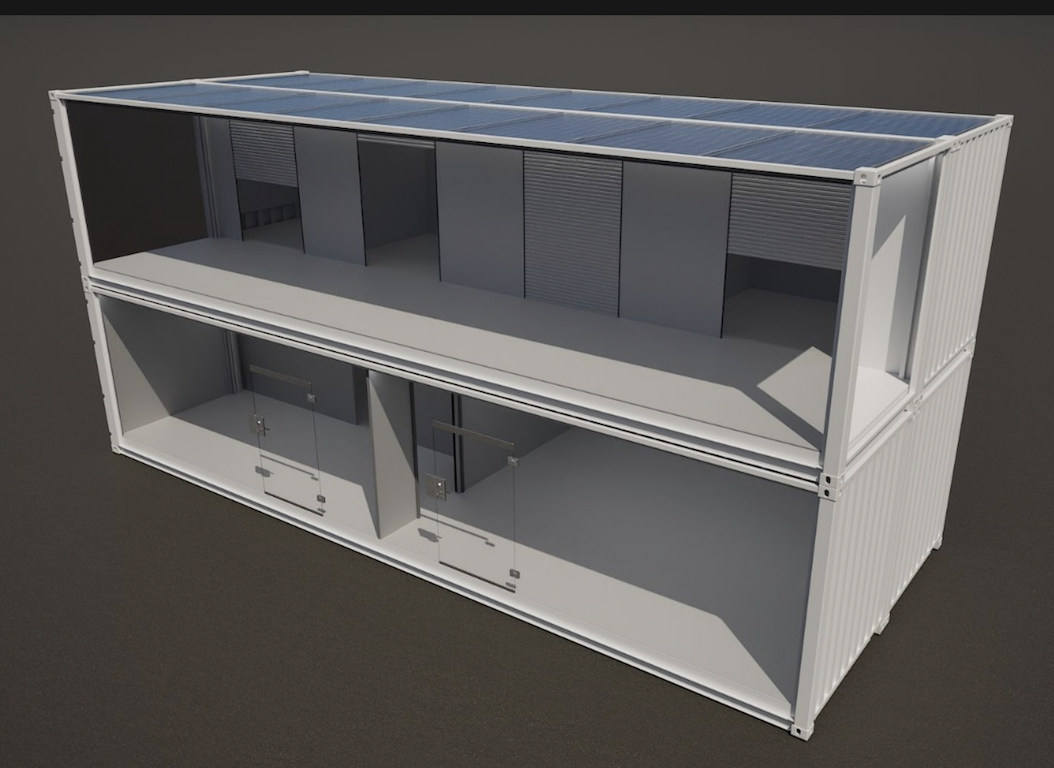
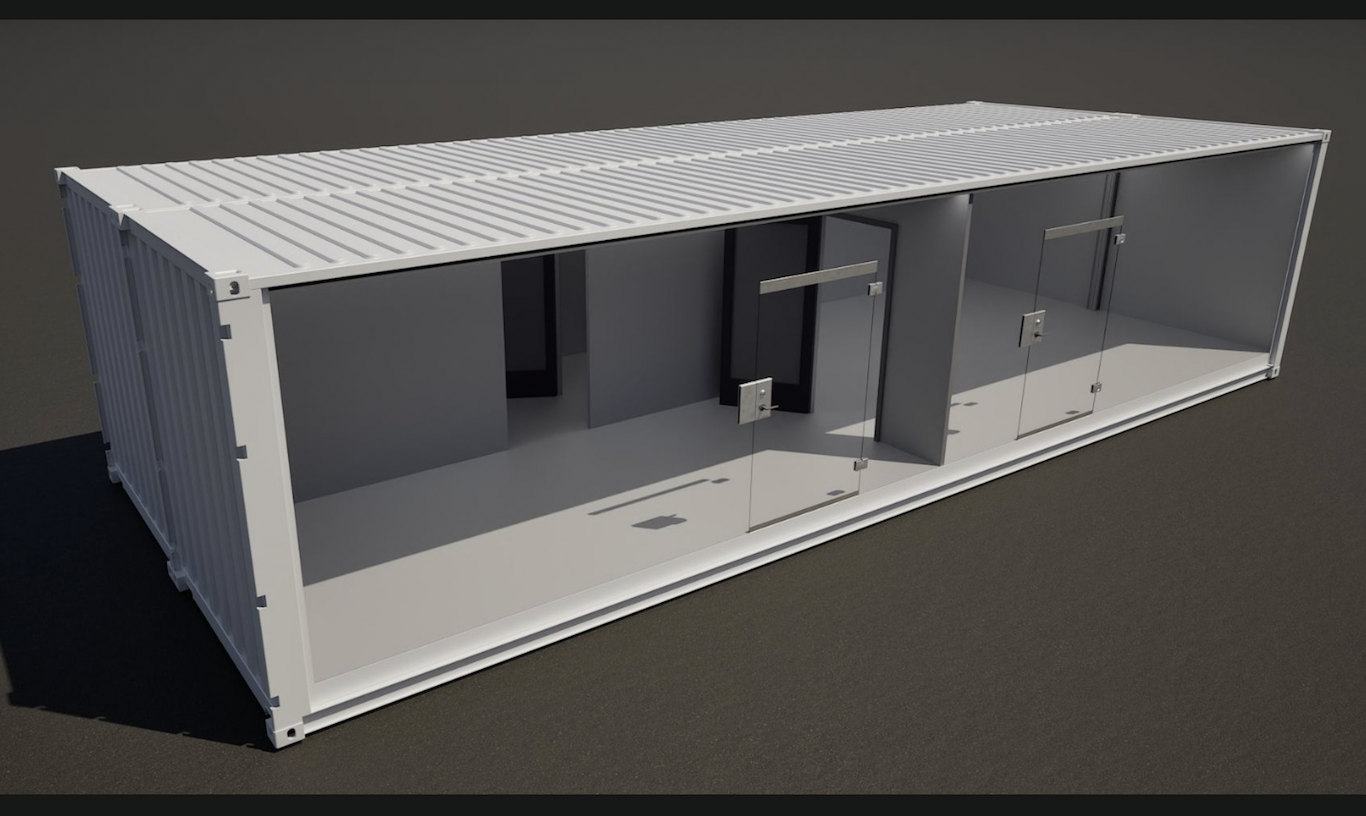
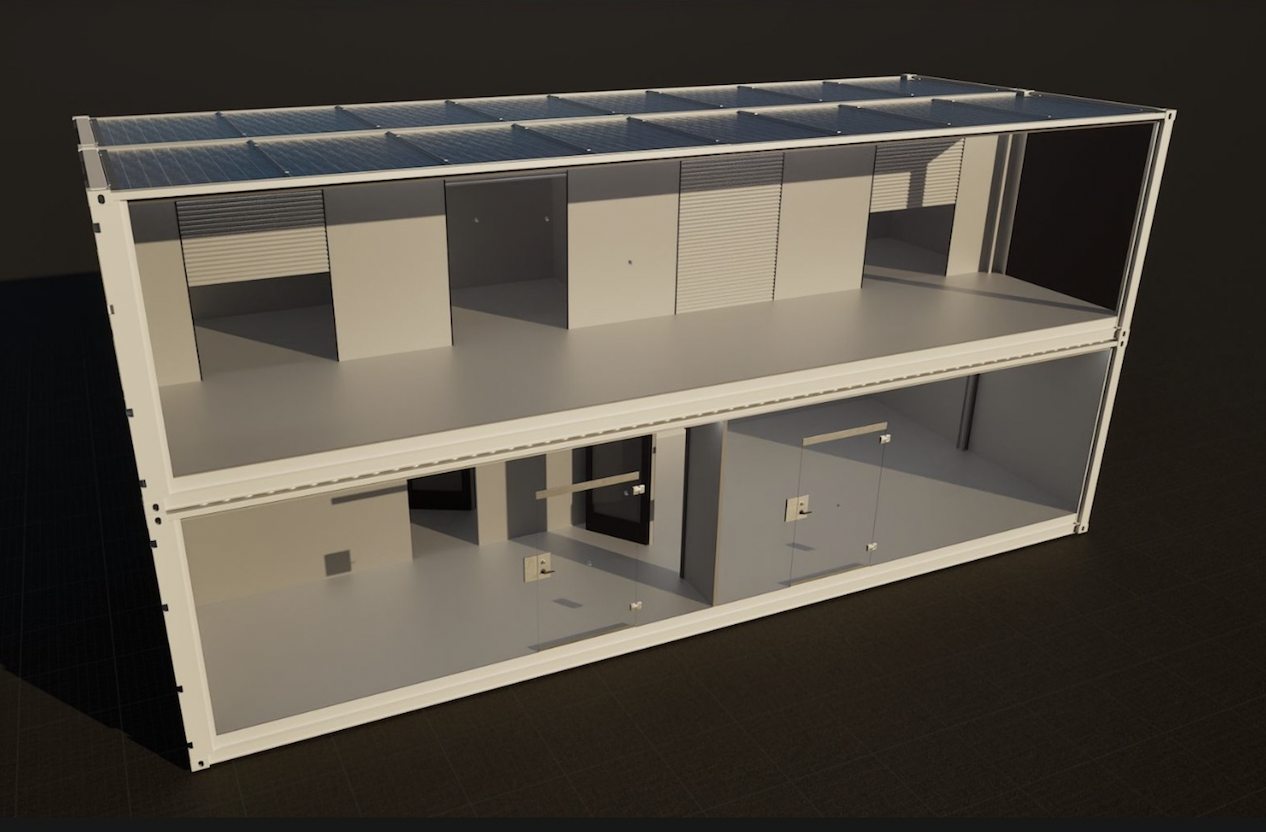
Introducing the IIS GreenBox: Revolutionizing Sustainable Cargo Shipping
The “IIS GreenBox” is a cutting-edge, intelligent intermodal cargo container designed to transport high-end shipments with unmatched security, precision, and environmental sensitivity. Built with advanced climate control, renewable energy systems, and smart monitoring technology, GreenBox is designed to reduce energy consumption, minimizes reliance on fossil fuels, and captures excess thermal energy during transit. Equipped with thermal panels, graphene battery storage, advanced nano components and phase change materials (PCMs) for thermal management, a GreenBox is designed to not only protect valuable cargo but also to significantly lower its carbon footprint. For unique usages, the container is designed with Beyond MIL-Spec™ to protect its capabilities.
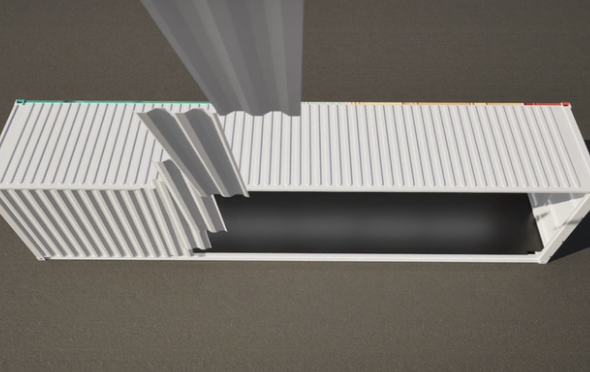
GreenBox™ — Beyond Mil-Spec-grade. Built for Discovery.
GreenBox is more than an ISO intermodal container — it’s a self-aware infrastructure system which may be engineered Beyond Mil-Spec™ for extreme environments and high-value transport. Each unit integrates graphene heat exchangers, EMP shielding, and phase-change energy cells that generate and recycle power while in motion or at rest.
Guided by embedded Digital Intelligences, GreenBox systems transact autonomously, monitor cargo integrity, and sustain onboard labs or compute environments. Whether carrying imaging systems, data centers, or mission-critical materials, every GreenBox functions as a secure, intelligent environment — a vessel for power, precision, and discovery.
👉 Tap or click the container image above for more information.
JouleBox™ — Each JouleBox™ is engineered as an ISO intermodal container purpose-built for clean energy storage, with a primary focus on thermal energy capture, storage and temperature manipulation. In this configuration, JouleBox™ is designed to qualify for §48E clean energy storage incentives.
The principal distinction between a standard GreenBox™ and a JouleBox™ lies in functional emphasis: JouleBox™ is optimized for clean energy storage, whereas GreenBox™ configurations are typically equipped for both electricity generation and energy storage. A JouleBox™ can also facilitate geothermal infrastructure and enable long-term storage.
JouleBox™ can also be engineered for subsurface and hardened deployments, including underground installations, interconnecting tunnels between ScanPods, EMP-shielded AI compute environments, and point-to-point utility infrastructure where resilient, non-generative energy storage is required.
Project Steward | Equipment Steward
Project Steward
The Project Steward serves as the coordinating steward of a specific Pod, Port, Campus, ScanPort™, Thermal Utility Engine™ (“TUE”), or other DX Port™ project. While individual participants may acquire one or more pieces of equipment, the Project Steward focuses on the successful formation, deployment, operation, and long-term continuity of the project as a whole.
A Project Steward works with infrastructure providers, equipment participants, local operators, contractors, municipalities, healthcare organizations, utilities, and other stakeholders to coordinate the many moving parts required to bring a project into operation. This may include everything from site preparation and utility coordination to operational planning, participant alignment, deployment scheduling, and long-duration project continuity.
As modular infrastructure systems are added over time—including GreenBox™ ISO containers, companion container sets, ScanPods™, utility Pods, communications systems, and other specialized equipment—the Project Steward helps ensure that each component contributes to a coherent and functioning operational environment.
For equipment participants, the Project Steward is to provide confidence that the broader project ecosystem is being coordinated and managed by a dedicated team focused on the success of the overall deployment rather than just any individual equipment component.
Technical Steward
The Technical Steward serves as the technical integration and deployment steward for the equipment and infrastructure systems that comprise a project.
While the Project Steward focuses on the overall project ecology, the Technical Steward focuses on ensuring that the equipment itself is properly acquired, delivered, installed, integrated, commissioned, maintained, upgraded, and operated throughout its lifecycle.
Technical Stewards may work directly with manufacturers, fabricators, installers, logistics providers, utility contractors, software providers, and specialized technical personnel. In a ScanPod™ environment, for example, specialty equipment personnel may assemble and certify the imaging equipment, while the Technical Steward coordinates integration of the scanner with the companion container set, GreenPad™ infrastructure, utility systems, communications networks, thermal systems, Digital Twin™ environments, and other supporting technologies.
For participants acquiring equipment that may qualify under Section 48E, Section 179, or other applicable tax provisions, the Technical Steward provides a practical pathway from equipment ownership to operational deployment.
Rather than requiring each Purchaser to develop expertise in engineering, construction, permitting, logistics, technology integration, and ongoing technical management, the Technical Steward serves as the experienced coordination layer that helps transform individual equipment assets into functioning components of a larger operational environment, within a Purchaser ownership framework designed to optimize federal, state and local incentives.
The relationship between a Purchaser and Technical Steward is similar to that of a landowner and a farm operator. The Purchaser owns the equipment. The Technical Steward places the equipment into productive use, administers its operation, and is responsible for ongoing oversight during the initial ownership lifecycle. As a result, the Purchaser is not expected to fund routine operational, insurance, compliance, or lifecycle administration activities during this period.
Equipment Packages
A Purchaser who has reached the highest U.S. federal income tax category may elect to begin with a single GreenPad™, GreenBox™, JouleBox™, scanning modality, or other qualifying specialty equipment asset. Additional equipment assets may be acquired through time as a Purchaser’s objectives and incentive capacity expands.
For a Purchaser, including a family trust, whose federal, state and/or local annual tax payments exceed $1 million, a variety of packages may be developed which, enable diversification across projects to which equipment is applied, types and uses of equipment, geographic locations, and even Technical Stewards and Project Stewards.
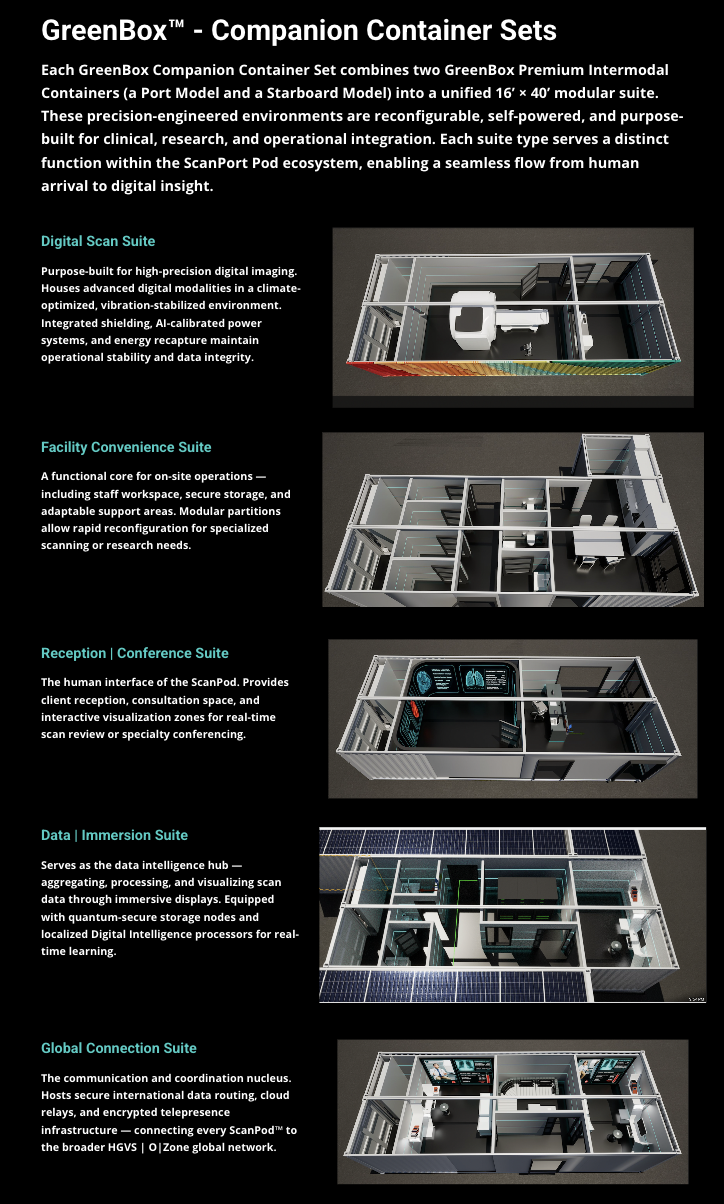
For example, the following Companion Container Sets section illustrates five Companion Container Sets which comprise a single ScanPod™.
Each ScanPod™ has one specialty type of scanning equipment and that Companion Container Set consists of two GreenBox™ - Beyond Mil Spec™ containers, the specific scanning and thermal recovery equipment, and associated AI DigitalTwin™, Digital Intelligences, hardware and software.
Similar to other Pod designs, each first level ISO container within a ScanPod™ rests on a GreenPad designed as part of a Port's site exoskelton. The structure provides access to a geothermal well, a site's underground Thermal Utility Engine™ ("TUE") and the first level foundation system, which is designed to mitigate tornado, hurricane and high wind exposures, while enabling quick disconnect of GreenBox™ and JouleBox™ containers, as well as GreenPads.
Each of these individual components, can be added to a Purchaser's Section §48E equipment portfolio.
By way of example, an HGVS™ ScanPod™ is typically assembled from 25 GreenBox™ 40′ ISO containers, a substantial number of which are GreenBox™ – Beyond Mil-Spec™ units.
Each ScanPod™ also includes an advanced multi-modality digital imaging system as part of its integrated Qualified Facility design.
A fully configured HGVS™ ScanPod™ generally ranges from USD $25 - $30 million.
ScanPods™ may also be structured as sub-packages, each treated as its own Qualified Facility under §48E.
These may include:
an imaging system paired with its own micro-AI center,
an AI + Immersion Companion Container Set,
specialized Companion Container Sets that form parts of the overall ScanPod™,
and other modular elements of the thermal–electric ecosystem.
Package prices typically range between USD $4 - 12 million, depending on configuration.
These units may be eligible for 100% Bonus Depreciation and a 40% Clean Electricity Investment Tax Credit upon commissioning, subject to domestic content and IRS guidance.
Combining Integrated Equipment in a ScanPod - Illustration
Let's take a Drone flight through the ScanPod™
The short video below illustrates a fly-through of a fully assembled ScanPod™ — a complete scanning and data environment built inside modular GreenBox™ Beyond Mil-Spec™ units. Move from the scanning module itself to the comfort and support spaces designed around it — locker rooms and restrooms where patients can change into scanning attire, a small refreshment area, and a welcoming reception and conference zone with high-tech video walls.
Further inside, you’ll see the secure data center where scan information is processed and stored, along with specialty rooms for video consultations with physicians anywhere in the world.
These spaces can also host immersive, large-scale displays for reviewing scans in detail.
Every module serves a purpose — diagnostic care, data integrity, or collaboration — all connected in one efficient structure dedicated to early detection and advanced diagnostics.
Purchase Order
Purchase Order — IIS ISO Intermodal Container Infrastructure
A Purchaser may acquire one or more IIS ISO Intermodal Containers depending upon the Purchaser’s objectives. Examples may include GreenBox™, GreenPad™, JouleBox™, Companion Container Sets, modular infrastructure systems, and related container-based specialty structures.
The acquisition process generally begins with selection of the desired infrastructure configuration and execution of a Purchase Order together with the required initial fabrication deposit.
The Technical Steward assists the Purchaser throughout this process, including coordination of equipment selection, deployment planning, scheduling, and related documentation.
IIS manufacturers fabricate, engineer, and commission the container infrastructure assets in accordance with the applicable technical specifications, operational requirements, and intended deployment environment. Because many IIS container systems incorporate specialized structural, thermal, communications, sensing, shielding, and advanced operational technologies, fabrication schedules, testing procedures, and commissioning requirements may differ from those associated with conventional container equipment.
Purchase Order — Specialty Equipment Systems
A Purchaser may also acquire qualifying specialty equipment systems intended for integration into IIS infrastructure environments. Such equipment may include scanning modalities, thermal systems, AI and sensing systems, communications systems, power systems, manufacturing systems, medical systems, and other advanced operational technologies.
The acquisition process generally begins with specification of the required equipment systems, execution of the applicable Purchase Orders, and coordination of fabrication, manufacturing, commissioning, delivery, and installation schedules.
The Technical Steward assists the Purchaser in coordinating these activities together with the applicable manufacturers, deployment providers, and technical installation teams.
Unlike IIS ISO Intermodal Containers, specialty equipment systems are generally manufactured, configured, calibrated, commissioned, and integrated into their intended operational environment in accordance with the requirements of the applicable equipment manufacturers and technical providers.
Deployment
Deployment & Initial Implementation — IIS ISO Intermodal Containers
Following fabrication and commissioning, IIS Marine Services coordinates transportation, intermodal logistics, delivery scheduling, positioning, placement, and initial deployment of IIS ISO Intermodal Containers.
For qualifying IIS ISO Intermodal Containers, “placed in service” is generally expected to occur while the equipment is operating within international waters and engaged in its intended operational activities.
Following placement in service, container infrastructure assets may subsequently be deployed to applicable operational locations, including port-related environments, project sites, modular infrastructure environments, and other approved operational locations.
Depending upon the nature of the deployment environment, IIS Marine Services and related deployment organizations may assist from time to time with transportation coordination, craning, positioning, utility interconnection, modular infrastructure integration, relocation activities, and related deployment support services associated with specialized container infrastructure systems.
Deployment & Initial Implementation — Specialty Equipment Systems
Unlike IIS ISO Intermodal Containers, specialty equipment systems are generally placed in service within the applicable project site or approved operational environment in which the equipment is intended to operate.
Deployment and implementation activities are generally coordinated by the applicable manufacturers, authorized technical providers, specialty deployment contractors, and related operational organizations experienced with installation and commissioning of advanced technical systems.
Depending upon the nature of the equipment, deployment activities may include delivery coordination, environmental preparation, calibration, systems integration, thermal integration, communications integration, shielding installation, testing procedures, commissioning activities, and operational validation.
The Technical Steward assists in coordinating these activities together with the applicable manufacturers, deployment organizations, technical service providers, and project personnel in support of successful placement into service within the intended operational environment.
Initial Ownership Cycle
Initial Ownership Cycle — IIS ISO Intermodal Containers
During the Initial Ownership Cycle, the Purchaser owns the qualifying IIS ISO Intermodal Container equipment while the Technical Steward assists in placing the equipment into productive use, administering operational oversight, coordinating maintenance and servicing activities, and supporting the equipment throughout its intended operational lifecycle.
Qualifying IIS ISO Intermodal Containers are designed as advanced operational infrastructure intended for use within evolving energy, communications, healthcare, research, manufacturing, transportation, and related operational environments.
During this Initial Ownership Cycle, the equipment is generally expected to operate within its first intended deployment environment and associated operational activities.
Because many IIS containers incorporate rapidly advancing thermal, sensing, shielding, AI, communications, energy-management, and specialty operational technologies, the equipment is expected to reach a natural modernization and refurbishment point after approximately seven years of operation.
Purchasers are generally not expected to fund ordinary operational, insurance, maintenance, monitoring, or lifecycle administration activities associated with the equipment during this period.
By the conclusion of the Initial Ownership Cycle, the equipment is expected to have satisfied the applicable five-year holding requirements associated with Section §48E treatment and to have reached a natural transition point for modernization, refurbishment, redeployment, replacement, or integration into future operational environments utilizing next-generation technologies.
At the conclusion of the Initial Ownership Cycle, the Technical Steward assists the Purchaser in transitioning ownership through either conventional equipment disposition or contribution of qualifying equipment to a qualified nonprofit organization, depending upon the Purchaser’s objectives and circumstances.
Initial Ownership Cycle — Specialty Equipment Systems
During the Initial Ownership Cycle, the Purchaser owns the qualifying specialty equipment while the Technical Steward assists in coordinating deployment, operational oversight, lifecycle administration, servicing coordination, and transition activities associated with the equipment.
Many forms of advanced specialty equipment—including aircraft engines, advanced medical systems, communications systems, thermal systems, sensing systems, manufacturing systems, and other high-technology operational equipment—are commonly operated within defined ownership and modernization cycles.
These cycles are intended to allow integration of next-generation technologies, improved operational capabilities, enhanced efficiency, updated safety systems, and evolving technical standards as operational experience and technological advancements occur through time.
Qualifying O|Zone™ Section §48E specialty equipment is similarly intended to operate within an Initial Ownership Cycle of approximately seven years, after which significant refurbishment, modernization, technology upgrades, redevelopment, or redeployment activities may become appropriate.
Purchasers are generally not expected to undertake or directly fund these future revitalization and modernization activities during the Initial Ownership Cycle.
This transition framework is intended to support future operational cycles utilizing refreshed equipment configurations, updated technology environments, and next-generation operational systems. Federal incentive programs associated with qualifying clean-energy infrastructure are intended to support these modernization and redevelopment activities as new operational cycles and updated ownership structures are implemented.
At the conclusion of the Initial Ownership Cycle, the Technical Steward assists the Purchaser in transitioning ownership through either conventional equipment disposition or contribution of qualifying equipment to a qualified nonprofit organization, depending upon the Purchaser’s objectives and circumstances.
Benefiting from Federal, State and Local Incentives
Throughout this site, the term Self-Directed Incentive Capacity (“SDIC”) refers to the combination of:
1. Government Incentive programs intended to encourage activities, equipment categories, infrastructure systems, and nonprofit initiatives considered beneficial by federal, state, and local governments; and
2. The amount of tax capacity available to a Purchaser based upon the Purchaser’s individual tax circumstances.
In practical terms, governments create incentive programs intended to promote selected activities and priorities. Purchasers create “capacity” through taxable income, tax obligations, ownership activities, and related financial circumstances.
Taken together, these incentives and the Purchaser’s available tax capacity determine the amount of Self-Directed Incentive Capacity available to a Purchaser during a particular year.
SDIC may include various forms of incentive treatment, including:
* Bonus Depreciation,
* Section 179 expensing,
* Investment Tax Credits,
* nonprofit contribution incentives,
* and related federal, state, and local incentive programs.
In essence, SDIC refers to the ability of a Purchaser to redirect a portion of what would otherwise be mandatory federal, state, and local payments into activities, equipment ownership, infrastructure systems, and nonprofit initiatives actively encouraged through government incentive programs.
From Incentives to Impact
The examples presented throughout this site illustrate only a small portion of the opportunities that may emerge when public priorities, private initiative, and long-term stewardship are brought together.
At the center of this framework is a simple idea: Governments establish Incentives. Participants create Capacity. Through Self-Directed Incentive Capacity, Participants may elect to direct that Capacity toward projects, facilities, equipment, and nonprofit initiatives that align with their own objectives while simultaneously supporting broader community needs.
The examples presented throughout this site represent only a small portion of the opportunities that may emerge when public priorities, private initiative, and long-term stewardship are brought together.
The concepts presented throughout this site are intended to be broadly applicable across communities, states, and regions throughout the United States.
The O|Zone™ framework was developed with the objective of supporting a wide range of infrastructure, healthcare, communications, energy, research, transportation, and community-development initiatives through the effective utilization of Self-Directed Incentive Capacity.
To illustrate how these concepts may be applied in practice, we have chosen to share ScanPort™ as an initial implementation currently being developed in Oklahoma. While the project is focused on digitial diagnostic infrastructure, the underlying framework has been designed to support many different categories of community-serving facilities and equipment.
The development team behind ScanPort™ brings together decades of national and international experience in finance, insurance, infrastructure development, energy systems, logistics, technology, healthcare support systems, municipal finance, and community development. Throughout their careers, team members have participated in projects spanning multiple industries, jurisdictions, and countries.
ScanPort™ is therefore presented not simply as a healthcare project, but as a practical demonstration of how Government Incentives, Participant Capacity, nonprofit participation, advanced equipment systems, and long-term stewardship may be integrated into a single operational framework.
We are pleased to share the Oklahoma implementation as a working example of these principles and welcome discussions with individuals, organizations, healthcare providers, nonprofits, communities, and public officials interested in exploring how similar frameworks may be adapted to meet local needs and priorities.
A New Dawn for Community Health
As the sun rises over each ScanPort™, the system quietly powers itself — solar arrays capturing light, cooling systems balancing entropy, and data syncing securely to local medical teams.
It’s not a building — it’s a living network, designed to restore health, dignity, and hope right where people live.